Influence Profile
No genre data available
Genre information will appear here once available
Trending in Ustad Bismillah Khan’s World
Trending Globally
No trending songs available.
Album
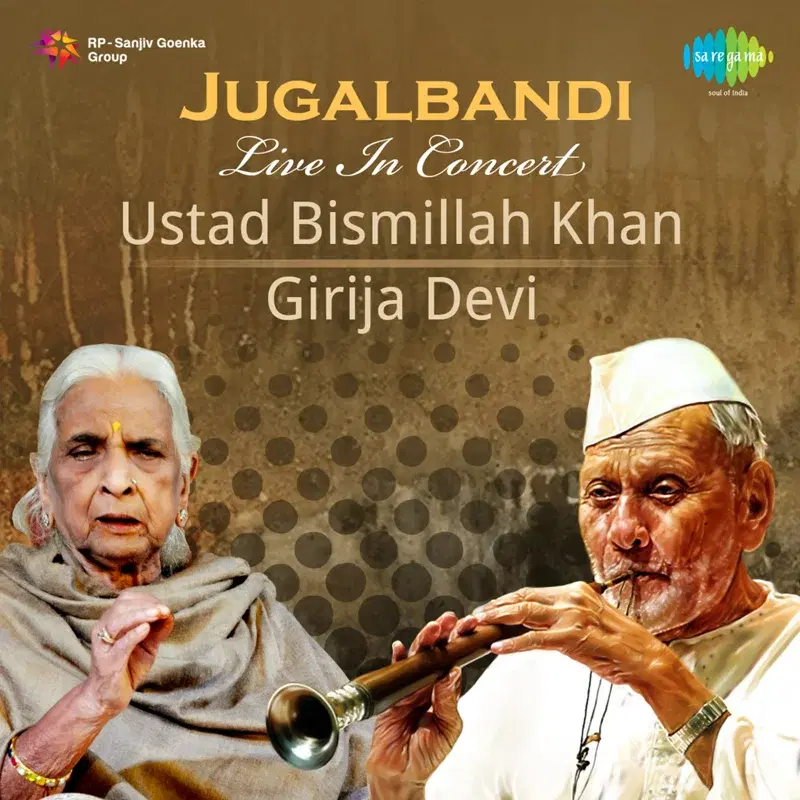
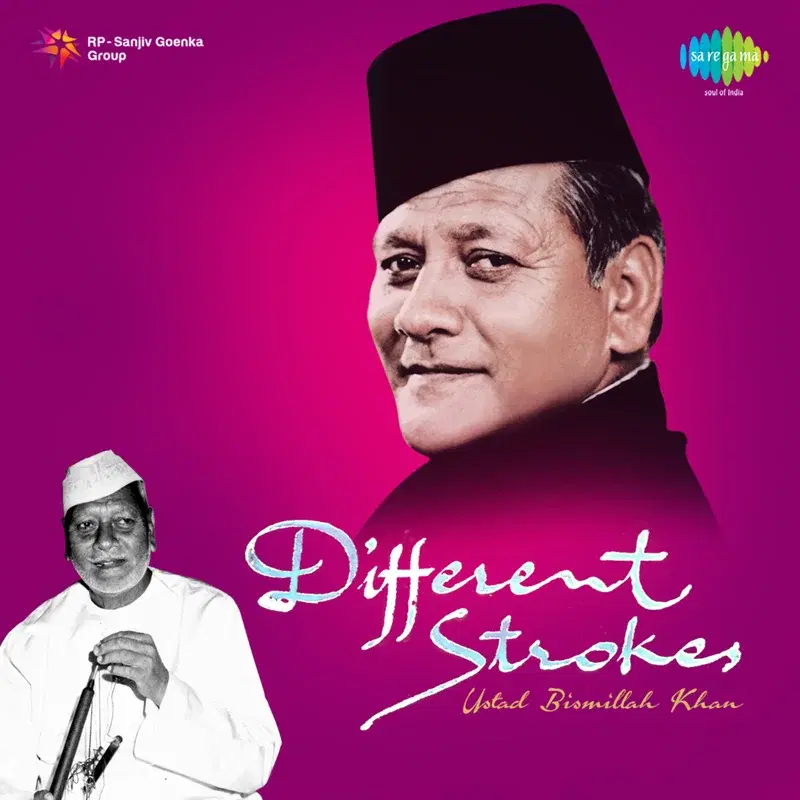
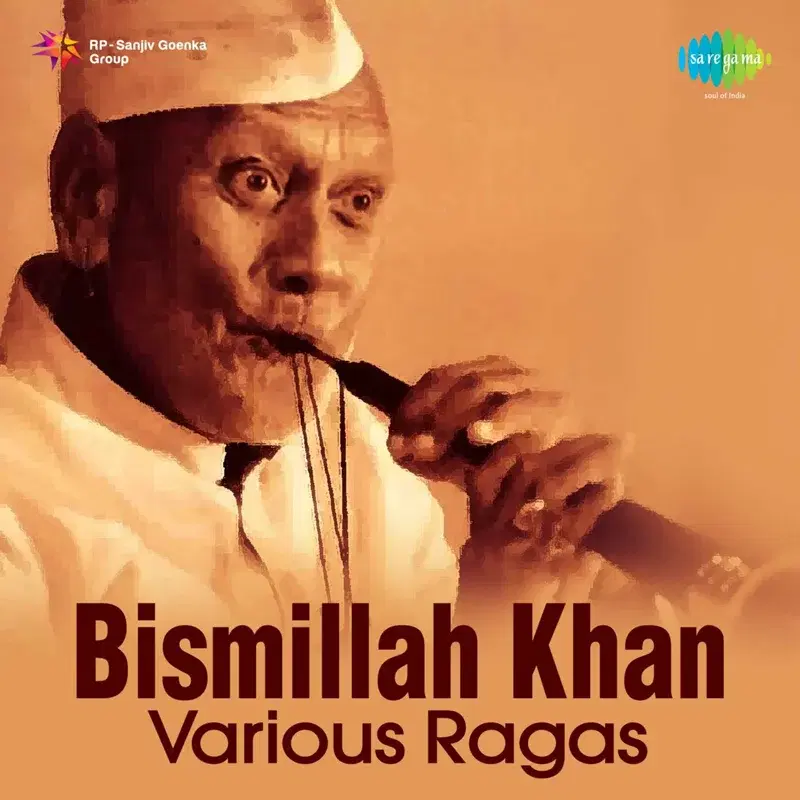
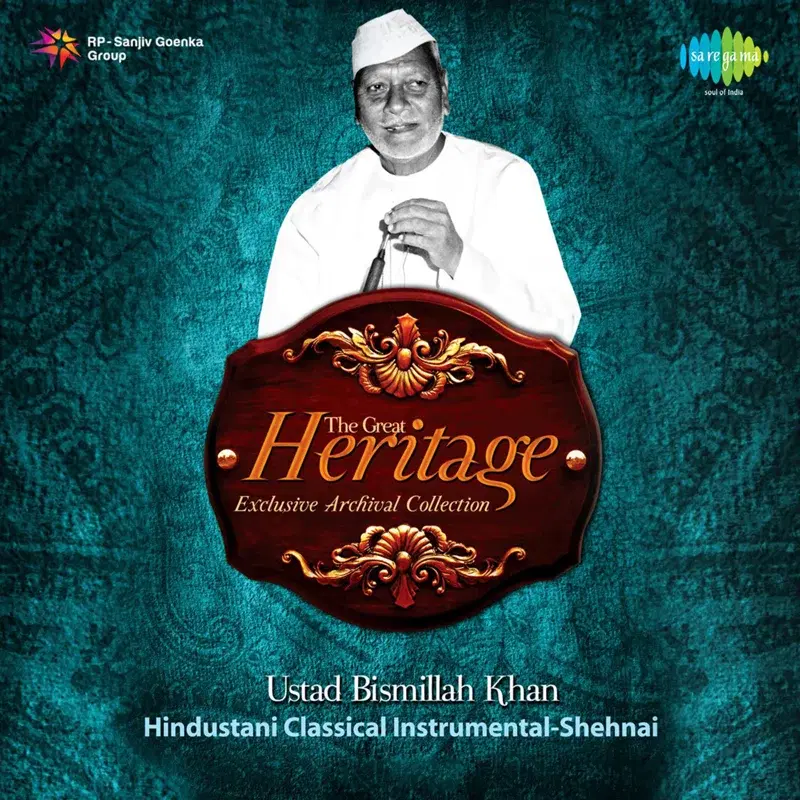
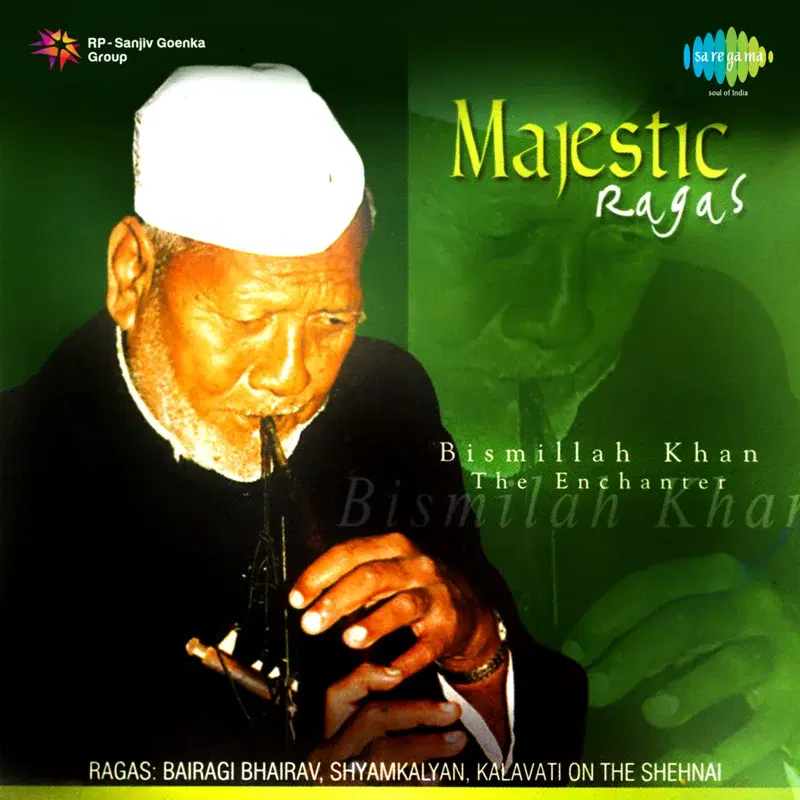
EP




Story
Quick Facts
From
India
India
Journey
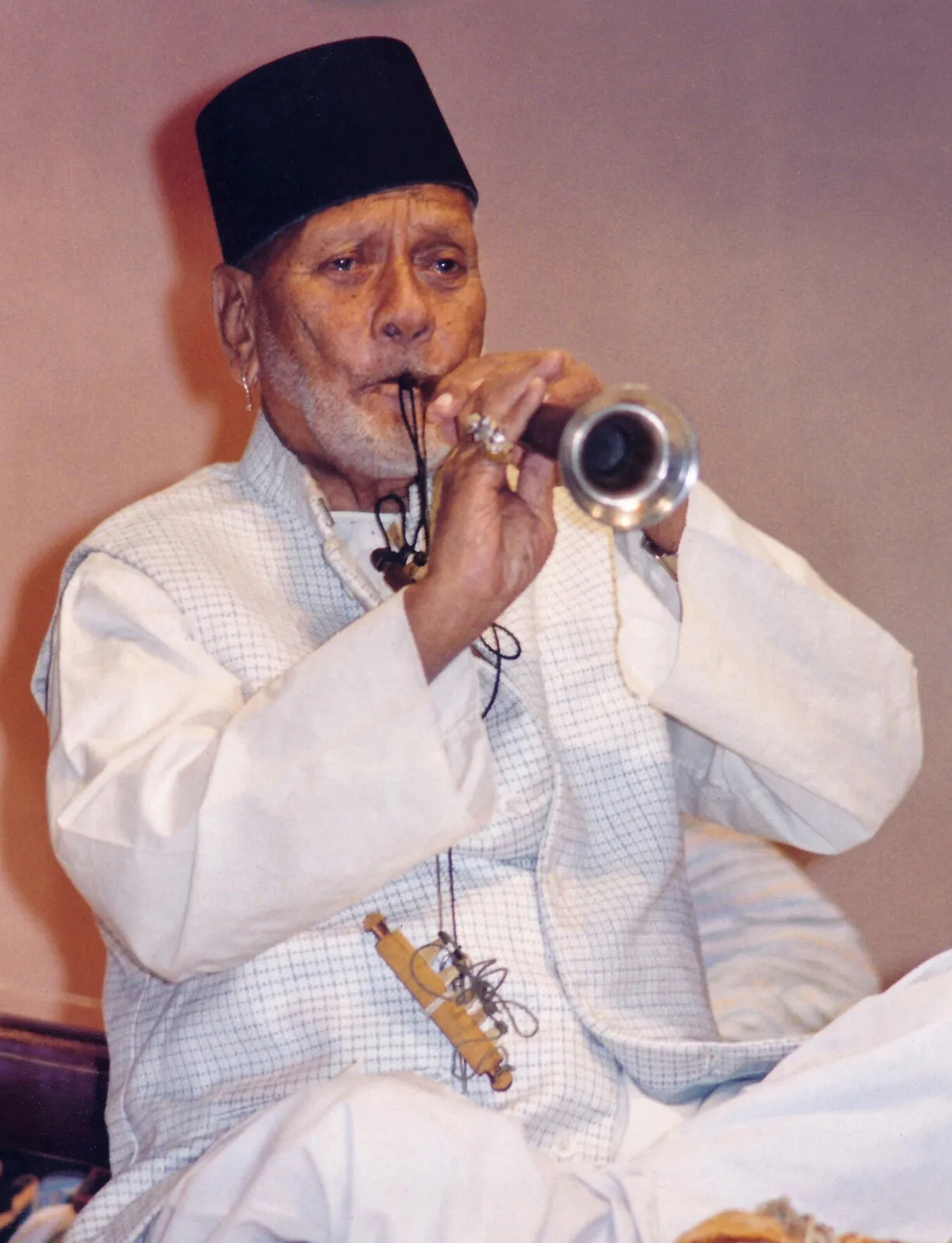
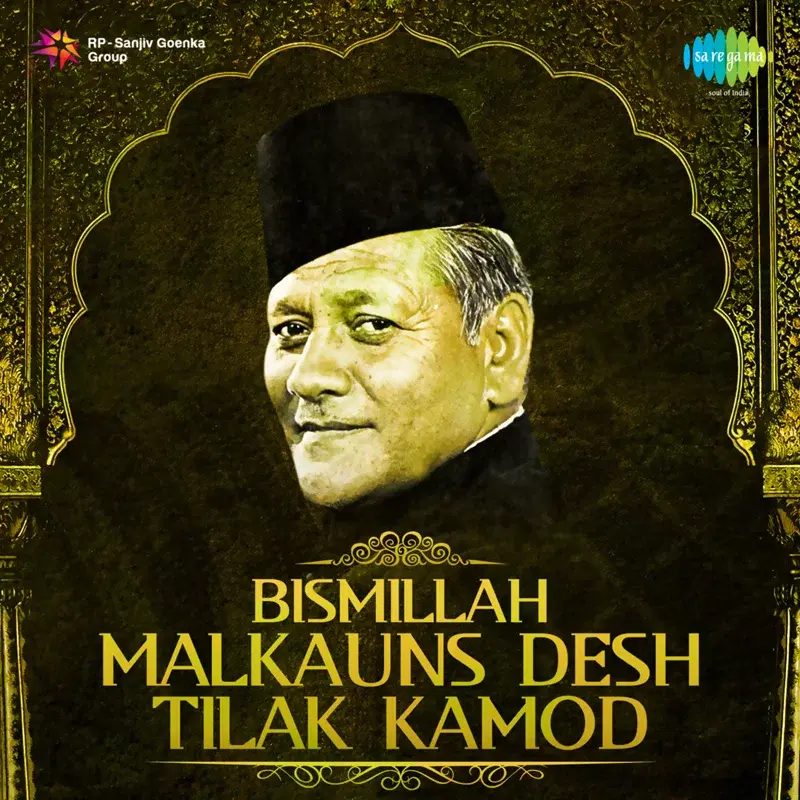
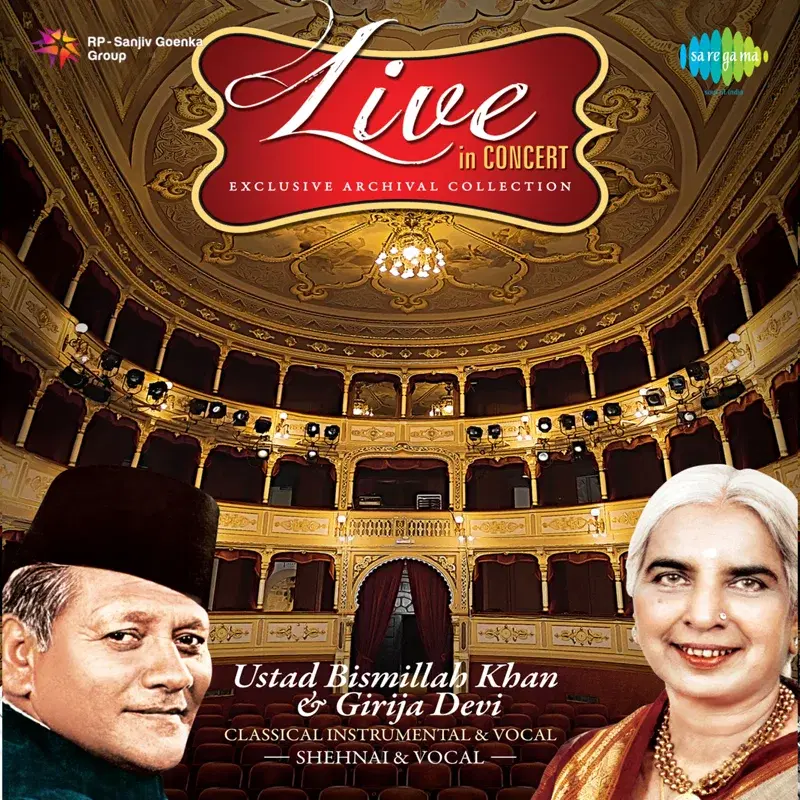
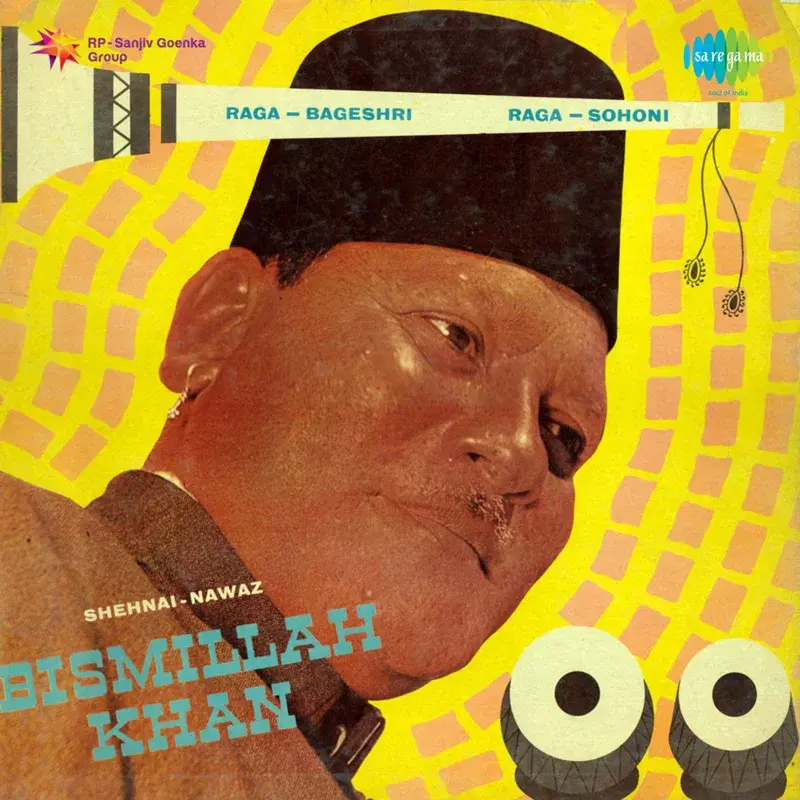
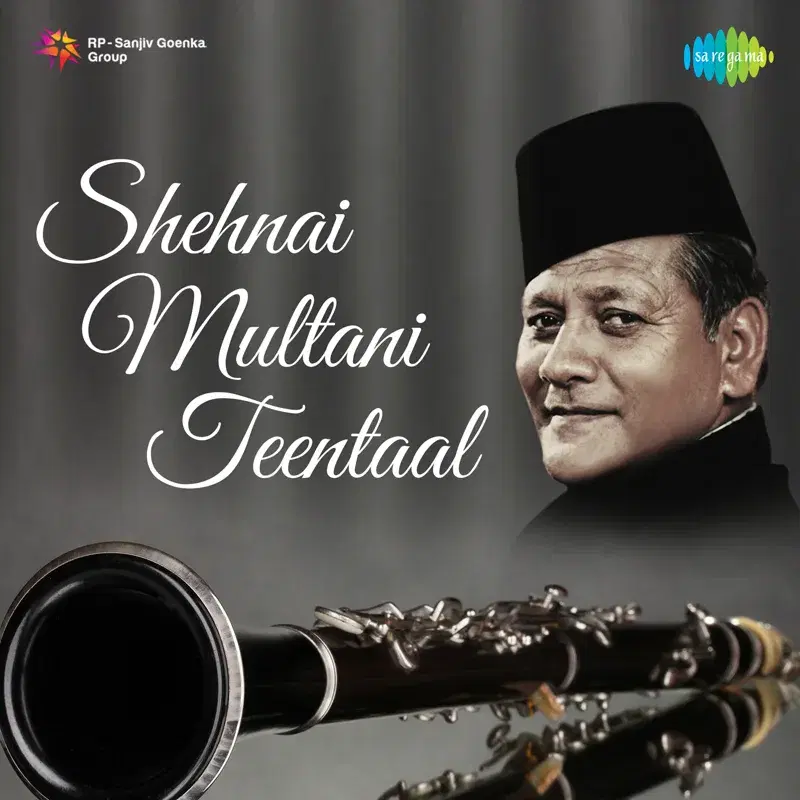
Indian history widely regards Ustad Bismillah Khan, born Qamaruddin Khan in Dumraon, Bihar, India, as one of the greatest classical musicians. Born into a family of court musicians, he grew up surrounded by the sound of the shehnai, the instrument that would later become inseparable from his name. As a child, he moved to Varanasi (Banaras), where his maternal uncle, Ali Bux Vilayatu Khan, trained him. Ali Bux Vilayatu Khan was a respected shehnai player associated with the Kashi Vishwanath Temple. Long hours of practice on the ghats of the Ganges and in temple precincts shaped the lyrical tone and spiritual depth that became the hallmark of his artistry.
Khan began performing publicly in the 1930s, but his national breakthrough came in 1937 at the All India Music Conference in Kolkata, where his recital drew widespread acclaim. That performance marked a turning point not only in his career but in the history of the shehnai itself. He transformed the instrument from a ceremonial folk tradition into a respected concert instrument of Hindustani classical music. After India’s independence was announced on 15 August 1947, he performed from the Red Fort in Delhi, creating a defining national moment that linked his music forever with the birth of modern India.
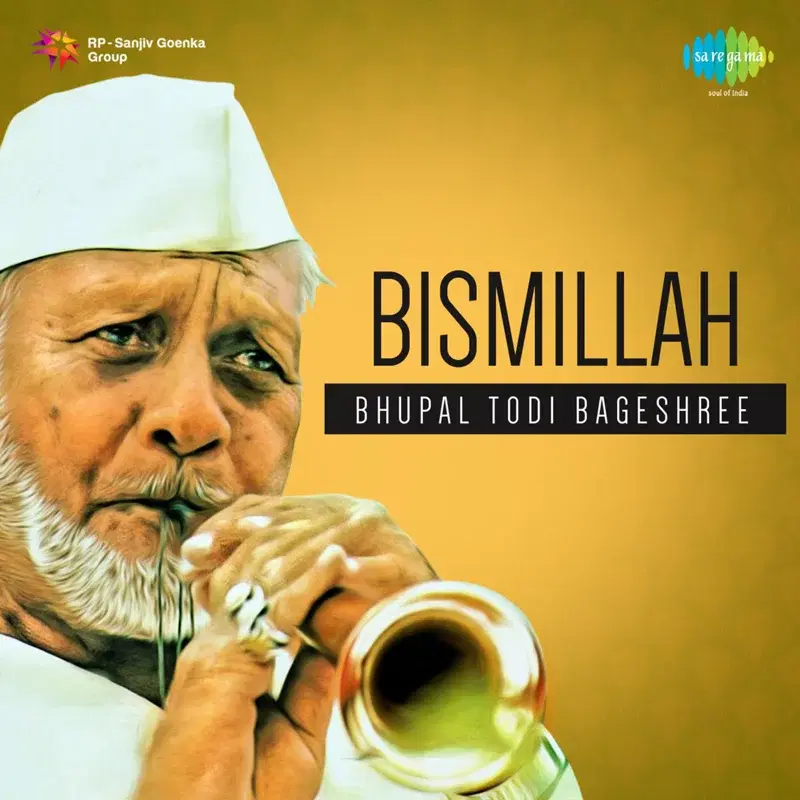
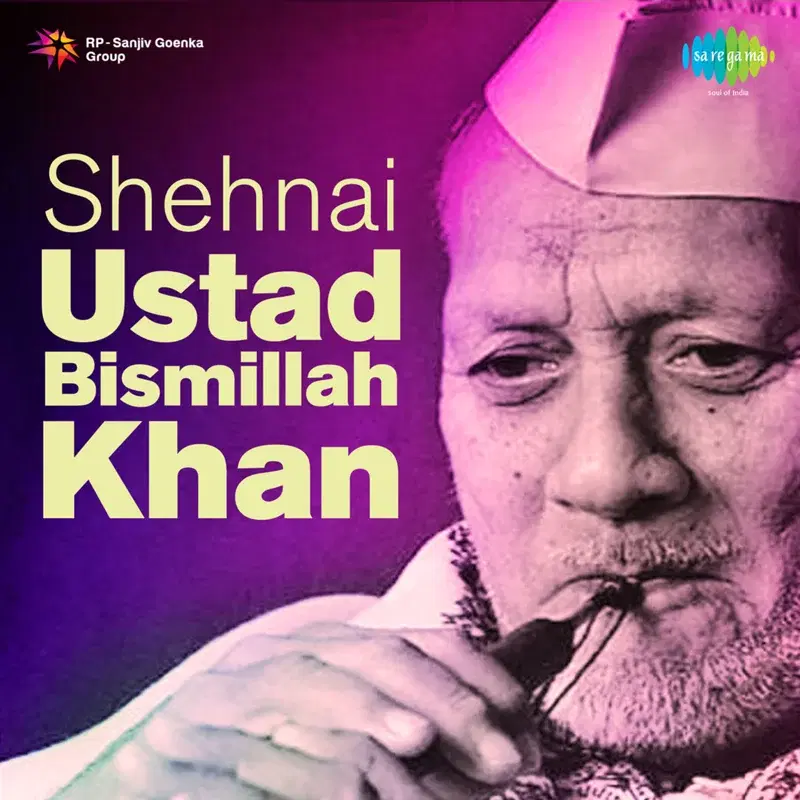
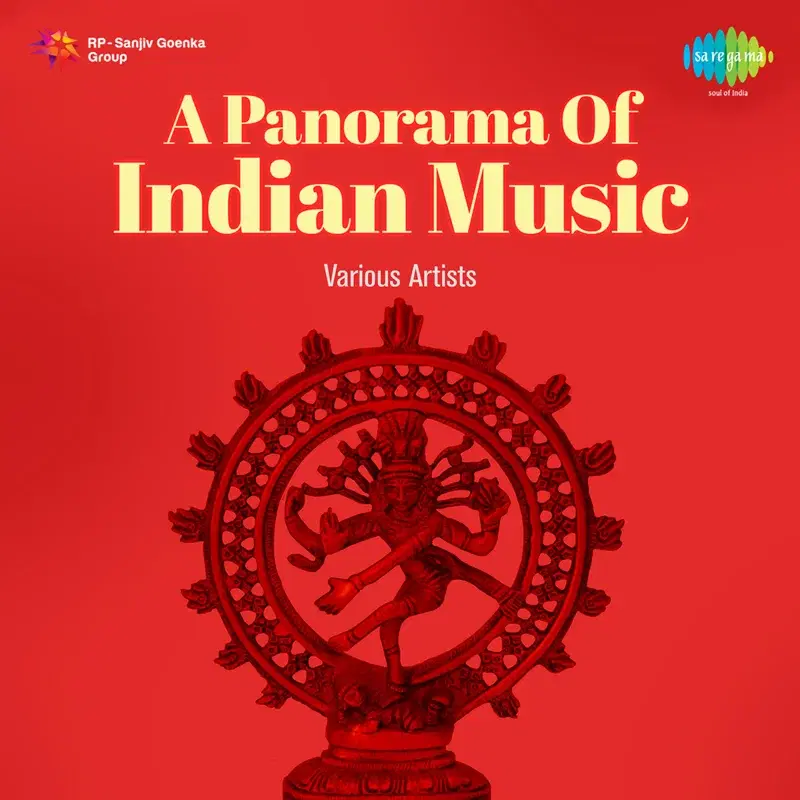
Signed to Saregama India Ltd, Ustad Bismillah Khan built an enduring recorded legacy. Important releases include “Shehnai Ustad Bismillah Khan,” “Bismillah Bhoopali Todi, Bageshree,” “Sharaddhargya-Felicitation Album,” and “A Panorama of Indian Music.” His repertoire featured major ragas such as Bhairavi, Yaman, Todi, Malkauns, and Bageshree, performed with extraordinary breath control and vocal-like ornamentation. He also contributed shehnai performances to films including “Jalsaghar” and “Goonj Uthi Shehnai,” bringing classical music to wider audiences.
The honors he received reflect the scale of his contribution: the Sangeet Natak Akademi Award (1956), Padma Shri (1961), Padma Bhushan (1968), Padma Vibhushan (1980), Sangeet Natak Akademi Fellowship (1994), and the Bharat Ratna (2001), India’s highest civilian award. More than an instrumental virtuoso, Khan became a symbol of India’s shared cultural heritage, uniting the spiritual traditions of Varanasi with the discipline of Hindustani classical music.
Ustad Bismillah Khan remained active for decades and died in Varanasi on August 21, 2006. His recordings continue to be studied, performed, and cherished worldwide, ensuring that the voice of the shehnai remains alive through the music he left behind.